Esports Sponsorship: The Unrivaled Gateway to Engaging Young Audiences
The digital landscape has fundamentally reshaped how brands connect with consumers. In an era where traditional media increasingly struggles to capture the attention of younger demographics, a powerful new marketing frontier has emerged: competitive video gaming, or esports. The secret, once whispered among industry insiders, is now out: esports is a bona fide marketing powerhouse, offering an unprecedented opportunity to reach elusive Gen Z and millennial audiences across the globe. Brands are not just dipping their toes in; they are taking the plunge, recognizing the immense potential for boosting brand exposure and achieving a significant esports sponsorship ROI.
Indeed, sponsorship stands as the undisputed leading revenue stream in the esports ecosystem, projected to command hundreds of millions of dollars globally. This financial momentum underscores the industry's maturity and its undeniable appeal as a strategic marketing platform. But what exactly makes esports sponsorship so impactful, and how can brands effectively measure and maximize their return?
Why Esports is the Ultimate Gateway to Young Audiences
Understanding the unique appeal of esports is crucial for any brand looking to penetrate the youth market. Today's younger audiences are digital natives; they live, socialize, and consume content online. They are largely cord-cutters, preferring streaming platforms and interactive content over linear television. Esports perfectly aligns with these preferences, offering dynamic, engaging, and highly interactive entertainment.
The engagement metrics within esports are staggering. Fans aren't just passively watching; they are passionately invested in their favorite teams, players, and games. This deep emotional connection translates into unparalleled loyalty and a willingness to support brands that authentically integrate into their beloved ecosystem. For brands, this means an opportunity to build trust and resonate with a demographic that is notoriously skeptical of traditional advertising.
The growth trajectory of esports is nothing short of phenomenal, evidenced by nine-figure team valuations and multi-million-dollar sponsorship deals becoming increasingly common. This expansion doesn't just represent financial opportunity; it signifies a growing responsibility for brands to engage thoughtfully and authentically. The key to unlocking successful partnerships and a robust esports sponsorship ROI lies in understanding and fostering these emotional connections.
Beyond Impressions: Measuring True Esports Sponsorship ROI
In traditional advertising, reach and impressions often serve as primary metrics. However, in esports, true value extends far beyond mere visibility. It delves into the quality of engagement and the actual impact on brand perception and sentiment. To illustrate this, advanced analytics platforms are now at the forefront of demonstrating tangible returns.
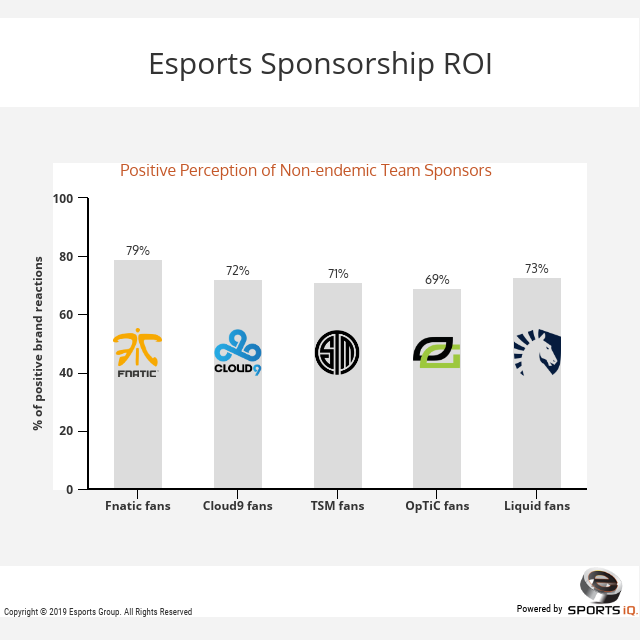
For instance, sophisticated AI-driven analytics engines have been deployed to analyze social data from hundreds of thousands of fans and supporters across leading esports organizations such as Cloud9, Fnatic, Team Liquid, TSM, and OpTic. By utilizing AI to sift through vast amounts of social data, researchers can pinpoint the percentage of positive, non-endemic brand sponsor mentions. These insights reveal how effectively these organizations – valued at an average of $202 million – are translating partnerships into genuine brand advocacy and positive sentiment among their highly engaged fan bases.
This data-driven approach moves beyond anecdotal evidence, providing concrete proof of how well various partnerships are performing. It highlights that the most successful sponsorships are those that foster an authentic, emotionally resonant connection between the brand, the team/player, and the fans. This emphasis on emotional connection makes measuring impact critical, ensuring that the substantial investments made in Esports Sponsorship ROI: Data-Driven Insights on Brand Impact are truly justified and optimized.
Navigating the Levels of Esports Sponsorship for Maximum Impact
The beauty of esports sponsorship lies in its versatility. Brands can engage at various levels, each offering distinct advantages for exposure and engagement. Understanding these options is key to crafting a strategy that aligns with your brand's objectives and budget.
Jersey & Merchandise Sponsorships
One of the most visible forms of esports sponsorship involves integrating your brand logo onto team jerseys or other official merchandise. This grants your brand unparalleled access and exposure during live competitions, tournaments, and events. Beyond the immediate visibility, jersey sponsorships offer a unique long-tail benefit: fan loyalty. As esports' popularity continues to surge, fans eagerly purchase team jerseys, hats, jackets, and other merchandise featuring their favorite organizations.
When fans wear these items in the "real world"—at school, at the gym, or in casual settings—your brand's exposure expands dramatically, reaching beyond the esports arena into everyday life. While evolving league rules may eventually centralize some branding, the opportunity for widespread, organic brand advocacy through merchandise remains a powerful avenue for boosting awareness.
Product & Equipment Integration
For many consumer brands, particularly those in the tech or gaming accessory sectors, direct product integration remains a highly popular and effective sponsorship model. This involves placing your products directly into the hands, on the heads, or under the seats of professional players. Think high-performance gaming mice, keyboards, headsets, or ergonomic chairs prominently displayed and used during high-stakes competitions and streaming sessions.
The impact here is twofold: not only do fans see their idols using your products, but it also lends an air of professional endorsement and authenticity. This isn't limited to gaming gear. Just as Gatorade coolers are ubiquitous at traditional sporting events, brands like Coca-Cola, Mountain Dew, and Monster Energy have strategically integrated their beverages into the esports scene, becoming synonymous with the energy and excitement of competition.
Streaming & Social Media Engagement
In the digital-first world of esports, streaming platforms (like Twitch and YouTube Gaming) and social media channels are arguably just as, if not more, important than live event exposure. These platforms offer a more personal, intimate connection between players, teams, and their audience. When a brand is seamlessly integrated into a player's stream or social media content, it feels more authentic, as if the players genuinely use and enjoy the product.
This authenticity is critical. Unlike traditional celebrity endorsements that can sometimes feel transactional (remember the skepticism around LeBron James promoting Kia?), esports fans often perceive brand mentions from their favorite streamers or team channels as genuine recommendations. This deep-seated trust can lead to higher engagement rates, more positive brand sentiment, and ultimately, a superior esports sponsorship ROI. Brands should leverage these platforms for unique content collaborations, giveaways, and interactive campaigns that foster direct engagement with the community.
Crafting Your Winning Esports Sponsorship Strategy for Optimal ROI
Given the rapid evolution and immense potential of the esports market, getting in early and strategically is key. Brands that establish themselves now can secure prime positions and build lasting relationships with a rapidly expanding audience. However, maximizing your esports sponsorship ROI requires more than just signing a check; it demands a thoughtful, integrated, and authentic approach.
- Authenticity is Paramount: Fans can spot inauthenticity a mile away. Partner with teams or players whose values align with your brand, and ensure your integration feels natural and organic to the esports environment.
- Define Clear Objectives: Are you aiming for brand awareness, customer acquisition, lead generation, or sentiment improvement? Clear objectives will guide your strategy and allow for effective measurement.
- Leverage Data Analytics: Utilize advanced tools to track sentiment, engagement rates, brand mentions, and conversion metrics. This data will be crucial for optimizing campaigns and demonstrating concrete ROI.
- Multi-Platform Integration: Don't silo your efforts. A comprehensive strategy integrates jersey presence with product placement, social media campaigns, and unique streaming content for a holistic brand experience.
- Long-Term Vision: While short-term gains are possible, the true power of esports sponsorship lies in building enduring brand loyalty and establishing a strong foothold within this rapidly growing demographic.
By focusing on these strategic elements, brands can navigate the dynamic world of esports sponsorship with confidence and achieve impactful results. For a deeper dive into optimizing your efforts, explore Maximizing Esports Sponsorship ROI: Top Strategies for Brands.
Conclusion
Esports has moved beyond a niche phenomenon to become a global cultural powerhouse and an unparalleled marketing platform. For brands seeking to connect with young, digitally savvy audiences and achieve significant brand exposure, esports sponsorship offers an unmatched opportunity. The potential for high returns on investment and opportunity (ROO) is clear, but success hinges on a data-driven, authentic, and multi-faceted approach. By understanding the unique fan engagement, leveraging analytical insights, and strategically integrating across various channels, brands can not only boost their visibility but also forge deep, lasting connections with the next generation of consumers, securing a powerful esports sponsorship ROI for years to come.