Esports Sponsorship ROI: Data-Driven Insights on Brand Impact
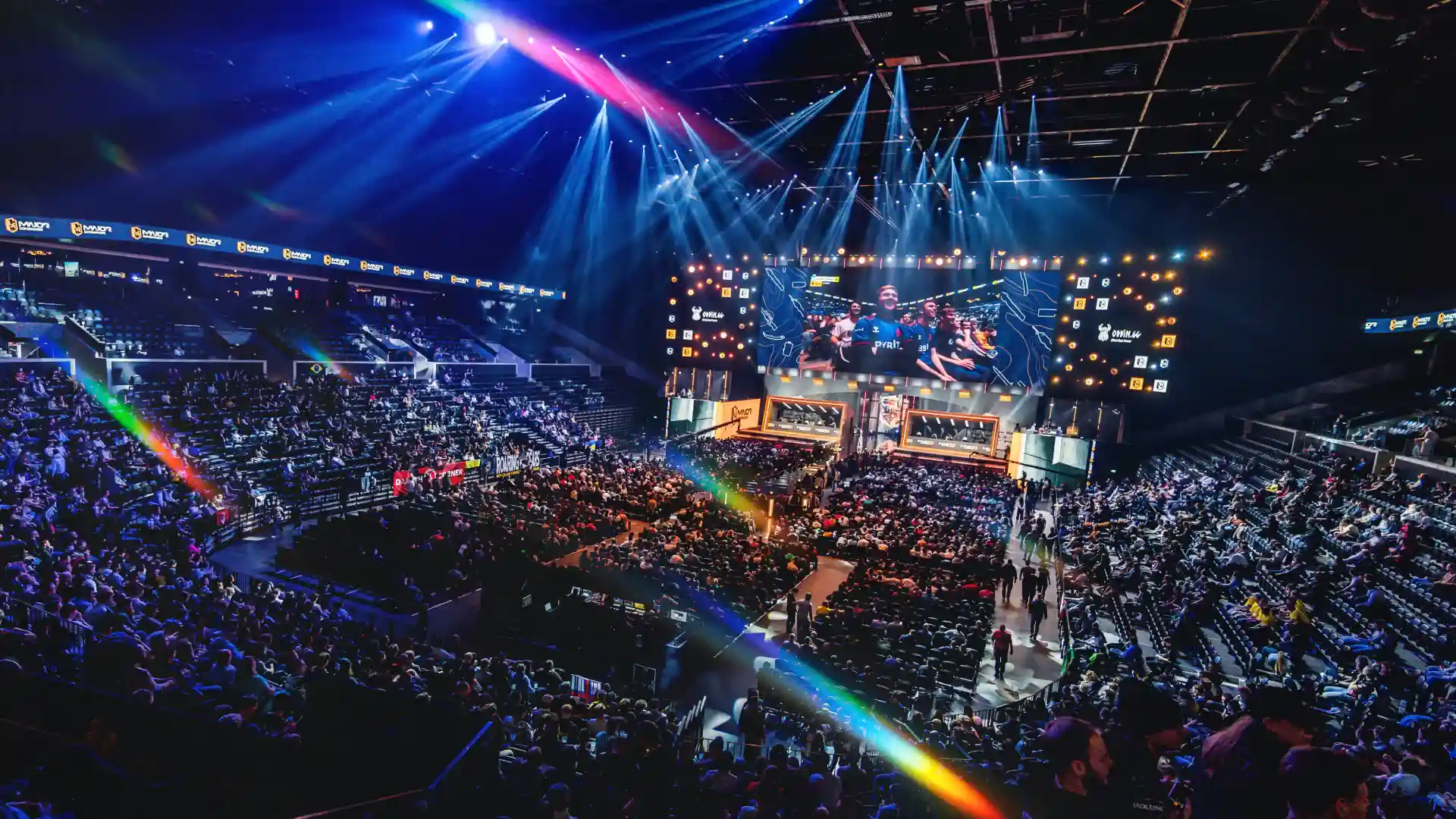
The meteoric rise of competitive video gaming, or esports, has undeniably transformed it into a formidable marketing platform. For brands seeking to connect with a coveted, digitally-native younger demographic on a global scale, esports offers an unparalleled opportunity. It's no longer a niche interest but a mainstream phenomenon, and consequently, the strategic importance of esports sponsorship for brand impact and return on investment (ROI) has never been higher. Projections underscore this shift, with sponsorship firmly established as the leading individual revenue stream in the esports ecosystem, signaling a massive financial commitment from brands aiming to tap into this dynamic world. But what exactly drives this investment, and crucially, how can brands confidently measure their
esports sponsorship ROI?
Unpacking Brand Impact: A Data-Driven Approach to Esports Sponsorship ROI
Understanding the true impact of an esports sponsorship requires moving beyond anecdotal evidence and embracing robust data. To provide a clear, quantifiable perspective on how esports team sponsorships translate into brand impact, innovative analytical approaches have been deployed. For instance, advanced analytics engines leverage artificial intelligence, like IBM Watson AI, to scrutinize vast amounts of social data. By analyzing over 100,000 fan and supporter data points from prominent esports organizations such as Cloud9, Fnatic, Team Liquid, TSM, and OpTic, researchers can gain invaluable insights.
The core of this data-driven analysis often lies in identifying the percentage of positive, non-endemic brand sponsor mentions. "Non-endemic" brands are those not traditionally associated with gaming (e.g., car manufacturers, food and beverage companies, financial services), making their positive mentions a strong indicator of successful integration and genuine fan acceptance. High percentages of positive mentions suggest that fans are not just passively seeing a logo, but actively engaging with and appreciating the partnership, often attributing positive sentiment to the sponsor due to their affiliation with a beloved team. This direct measurement of sentiment is critical because, as the industry matures with multi-million dollar team valuations and seven-figure sponsorship deals, the responsibility to deliver tangible value intensifies. An emotional connection holds the key to sponsorship success, and data helps illuminate how effectively these partnerships foster that bond.
Decoding Sponsorship Levels: Where Brands Can Engage for Maximum ROI
Esports offers diverse avenues for sponsorship, each with unique advantages for brand exposure and fan engagement. Understanding these levels is crucial for tailoring a strategy that aligns with a brand's objectives and maximizes its
esports sponsorship ROI.
Jersey/Uniform Sponsorship: Visible & Viral
One of the most traditional yet effective forms of esports sponsorship involves integrating a brand's logo directly onto team jerseys or uniforms. This grants a brand continuous high visibility during live competitions, online broadcasts, and promotional content. As esports' popularity skyrockets, so does the demand for team merchandise. When fans proudly wear their favorite team's jerseys, hats, jackets, or other apparel in the "real world," brand exposure expands dramatically beyond the digital arena, effectively turning supporters into walking billboards.
The longevity and widespread appeal of merchandise ensure that brand visibility extends far beyond the initial event. Brands can also explore additional branding opportunities within team merchandise stores, offering exclusive co-branded items. While league-driven branding rules may evolve, the fundamental principle of integrating a brand into the very identity of a team remains a potent strategy for sustained recognition and deep association.
Products/Equipment Integration: Authentic Endorsement
For consumer brands, placing products directly into the hands, on the heads, or under the seats of esports players represents a profoundly impactful form of sponsorship. This direct exposure creates an authentic endorsement: fans see their heroes using specific keyboards, mice, headsets, energy drinks, or even ergonomic chairs. This isn't just about gaming equipment; it extends to lifestyle products. Think of the bright coolers with beverage logos seen at traditional sports events; the same principle applies in esports, with brands like Coca-Cola, Mountain Dew, and Monster Energy becoming synonymous with player performance and lifestyle.
The power of product integration lies in its ability to foster aspirational usage among fans. When a top-tier player uses a particular brand, it signals quality and performance, inspiring fans to seek out those same products. This level of authentic engagement can significantly amplify brand reach and resonance, turning passive viewers into active consumers. To learn more about how this strategy can connect you with vital demographics, explore our insights on
Esports Sponsorship: Reach Young Audiences & Boost Brand Exposure.
Streaming & Social Media Activation: Personal Connection & Engagement
In the highly digital world of esports, overlooking streaming platforms and social media channels is a critical error for any brand negotiating sponsorships. In many cases, exposure on teams' and players' personal channels is just as, if not more, crucial than visibility during live events. These platforms offer a more personal, intimate feel, fostering a sense that players and teams authentically enjoy and use a sponsor's product or service. This contrasts sharply with traditional celebrity endorsements, where consumers might question the genuine use of a product (e.g., LeBron James promoting Kia).
Esports players often have massive, highly engaged followings on Twitch, YouTube, Twitter, and Instagram. Sponsorship activations here can include dedicated streams, shout-outs, unboxing videos, giveaways, and interactive content. This not only generates impressions but also cultivates direct interaction and builds strong community bonds around the brand. The authenticity inherent in a player's genuine recommendation can drive significant conversion and brand loyalty, making it an indispensable component of a comprehensive esports sponsorship strategy. Discover more about leveraging these channels in
Maximizing Esports Sponsorship ROI: Top Strategies for Brands.
Beyond the Metrics: Tips for Maximizing Your Esports Sponsorship ROI
While data provides the foundation, maximizing your
esports sponsorship ROI requires strategic execution and a deep understanding of the esports ecosystem.
- Define Clear Objectives: Before investing, clearly articulate what you aim to achieve. Is it brand awareness, lead generation, sales, market share, or brand sentiment improvement? Specific, measurable goals will guide your strategy and allow for accurate ROI measurement.
- Choose the Right Partner: Not all teams or players are a perfect fit. Research potential partners for audience demographics, values alignment, performance, and existing brand relationships. A natural fit enhances authenticity and boosts fan reception.
- Integrate Authentically: Avoid forced or inorganic placements. The most successful sponsorships are those that genuinely integrate the brand into the esports narrative, making it feel like a natural part of the gaming experience. This could involve creating custom content, unique fan experiences, or product integration that genuinely benefits players.
- Leverage Multiple Channels: A holistic approach combining jersey presence, product integration, and robust digital activation across streaming and social media will yield far greater results than relying on a single touchpoint.
- Engage with the Community: Esports fans are passionate and highly engaged. Brands that actively participate in the community, listen to feedback, and create interactive experiences (e.g., Q&As, fan events, challenges) will build stronger relationships and deeper loyalty.
- Measure Continuously and Adapt: ROI isn't a one-time calculation. Utilize analytics tools to constantly monitor brand mentions, sentiment, website traffic, social media engagement, and sales attributed to the sponsorship. Be prepared to adapt your strategy based on ongoing insights.
- Consider Long-Term Partnerships: While short-term campaigns can offer quick boosts, sustained, long-term partnerships allow for deeper brand integration, build trust, and foster a more profound emotional connection with the esports audience.
Conclusion
The "secret" is truly out: esports is a vibrant, potent marketing platform offering unprecedented access to a global, engaged audience. For brands, the question is no longer *if* to enter esports, but *how* to do so strategically to ensure a robust
esports sponsorship ROI. By adopting a data-driven approach to measure brand impact, understanding the various levels of sponsorship engagement, and implementing best practices for authentic integration and community interaction, companies can confidently navigate this exciting landscape. Getting in early and executing thoughtfully means not only great exposure but also the opportunity to establish deep, meaningful connections with a demographic that values authenticity and passion above all else. The future of marketing is here, and it's playing esports.